For plants that mean to stay.

Plants Alocasia

Pots for Alocasia, snug, deep, and never stagnant.

Alocasia

The aroid that wants to be evenly moist and will still rot if the water stops moving. Which pot depends entirely on what you grow it in.

2 pieces

What we would put an Alocasia in

Every one printed to order in Yerevan at the size you ask for. Tap a code, send a photo of the plant and the pot it is in now, and a size comes back the same day.

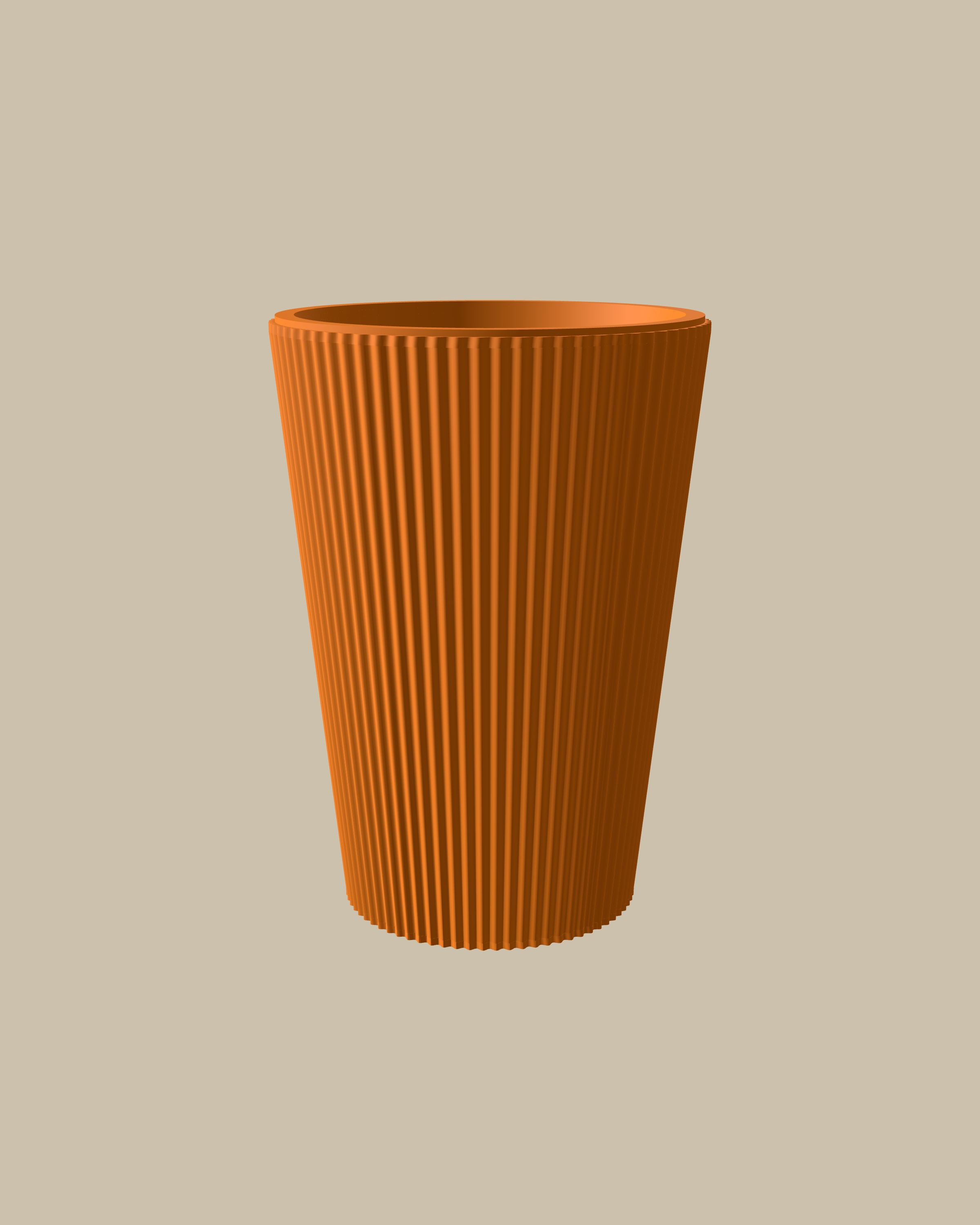
Column Pot 140, empty, three-quarter view against a plain ground

Column Pot 140

The column, and our default for an Alocasia in a chunky mix. 172 mm of depth suits a corm with roots running down from it, and the narrow rim keeps the mix snug instead of sprawling.

140 mm across, 192 mm tall. Holds 1.75 litres. Rim diameter from 100 to 220 mm.

Change this pot Sizes and pictures

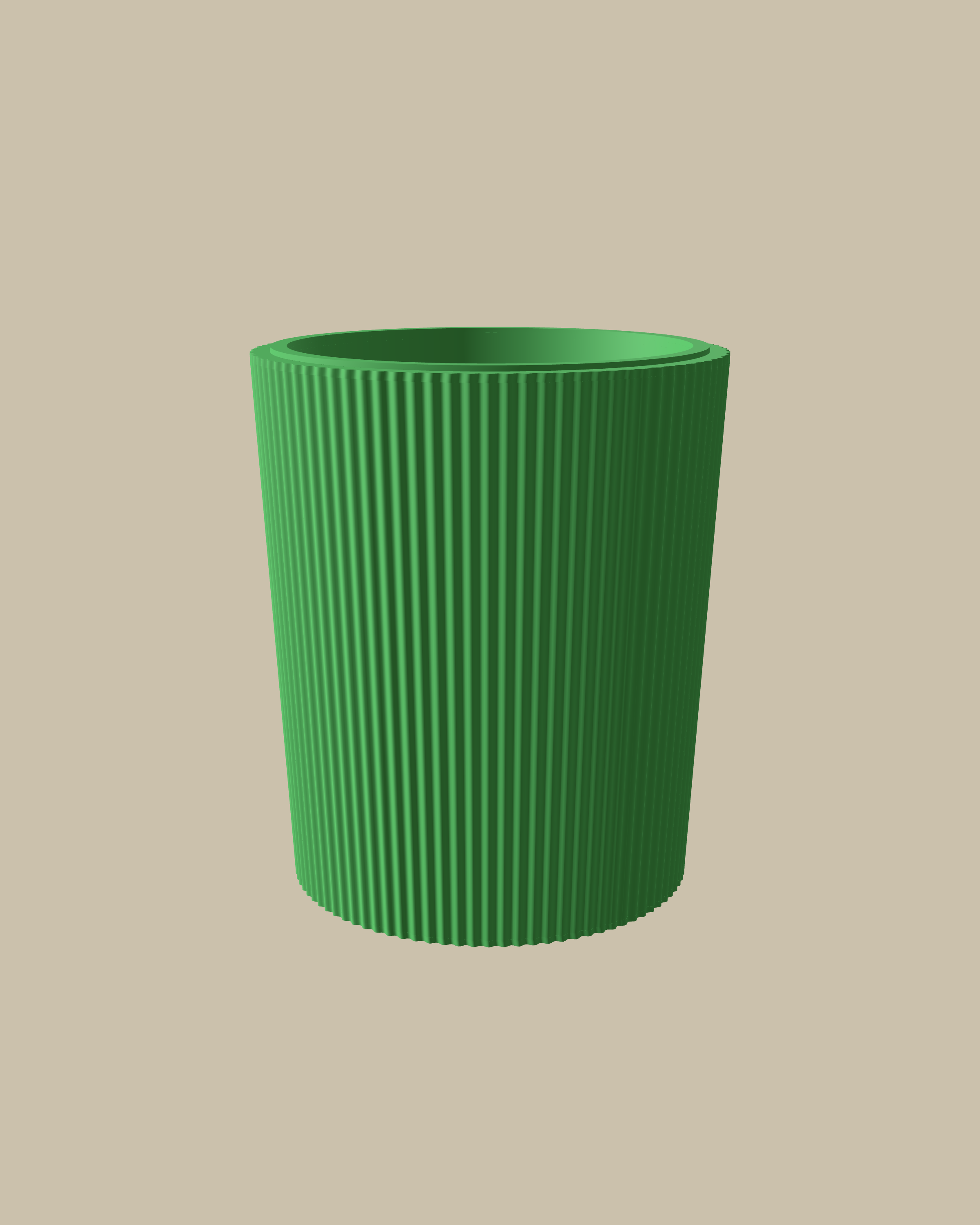
Flush Vessel 180, empty, three-quarter view against a plain ground

Flush Vessel 180

The flush vessel, for an Alocasia in clay pellets or a fine mix. The reason we would risk a reservoir under this plant at all is that this one drains: a plug at the bottom, an overflow, and a basket that lifts out to be rinsed.

180 mm across, 205 mm tall. Holds 2.1 litres. Outer diameter from 150 to 260 mm.

Change this pot Sizes and pictures

Start from this drawing and change everything

Or draw your own, starting from the Column Pot 140.

The editor opens on our shape for an Alocasia: the proportion, the drainage and whether there is a reservoir at all are already set the way this page argues for. Then every slider moves. Worth changing for an Alocasia:

  • Rim diameter, 100 to 220 mm, from your root ball plus 30 mm
  • The flush vessel instead, 150 to 260 mm, if you are growing in clay pellets
  • Tray, colour, and whether the pot is opaque or the natural translucent

Open the editor Or send a photo and let us size it

The ones to skip

We make these and they are good pieces. They are not for this plant, and here is the reason in each case.

  • Pan Pot 200The pan is too shallow. A corm wants depth under it, and a wide shallow pot of damp aroid mix is the shape that rots one.
  • Wall Cup 160A mature Alocasia is top-heavy and the leaves are wide. Two screws and a 108 mm projection is not the fixing for it.
  • Wick Trough 280128 mm of root depth in a trough, on a wick. The leaves will outgrow the root run inside a season.

The numbers we draw to

How much wider than the root ball
20 to 30 mm. They sulk when they are swimming
Depth
At least as deep as it is wide. The column at 140 mm gives 172 mm
Corm depth
Crown at the surface, corm about 20 mm under
On a reservoir
Only in clay pellets or a fine mix, and flushed from the top every few weeks
Repotting
Spring, when the offsets are crowding the rim

These are the figures the pieces are drawn to rather than measurements taken off a finished one, and they are a starting point for your plant rather than a rule. Send us what it is in now and we will move them.

The two ways to grow one, and they need different pots

Chunky mix: bark, perlite, coco chips, a little coir, in a pot with a hole. You water it more often, it drains hard, and the roots get air after every drink. This is the version most people grow and the column pot is what we would put it in.

Clay pellets on a reservoir: the medium wicks, the level stays where you set it, and you top it up rather than watering. Fewer dry spells, which is what the plant is actually asking for. The trade is salt: nothing leaves a reservoir, so it has to be drained and flushed rather than topped up forever, and that is precisely why the flush vessel has a plug in the bottom.

What does not work is the middle: a bark mix sat on a reservoir. That is a dry plant standing over a full tank.
Winter, and the leaves you are about to lose

In a Yerevan flat an Alocasia often drops most of its leaves between December and February. That is the corm resting rather than the plant dying. Keep the medium barely damp, stop feeding, do not repot, and leave it alone. It comes back off the corm in March.

The common mistake is reading the bare stem as thirst and watering into a dormant corm, which is how a resting plant becomes a mushy one.

Air at the roots

Even the thirsty aroids want air. The difference between evenly moist and stagnant is movement: water that goes in at the top and comes out at the bottom carries air down behind it. Water that just sits does not.

So whichever version you grow, the pot has to let go of water. Hole and tray, or plug and overflow. There is no third option we would sell you.

Humidity, honestly

Alocasia are the first plants in the flat to show a dry winter room, usually as crisp leaf edges. Grouping them, a tray of wet pebbles they are standing above rather than in, and a humidifier in the worst weeks all help more than misting does.

We sell pots, not weather. But a plant that is dry at the leaf and wet at the root is the commonest way this one goes wrong, and it is worth knowing which end you are fixing.