For plants that mean to stay.

Plants Succulents

Pots for succulents, shallow where the roots are shallow.

Echeveria, Haworthia, Sedum, Aloe, Sansevieria and the string-of things. A hole, a tray, and a pot that is not swimming in itself.

2 pieces

What we would put a succulent in

Every one printed to order in Yerevan at the size you ask for. Tap a code, send a photo of the plant and the pot it is in now, and a size comes back the same day.

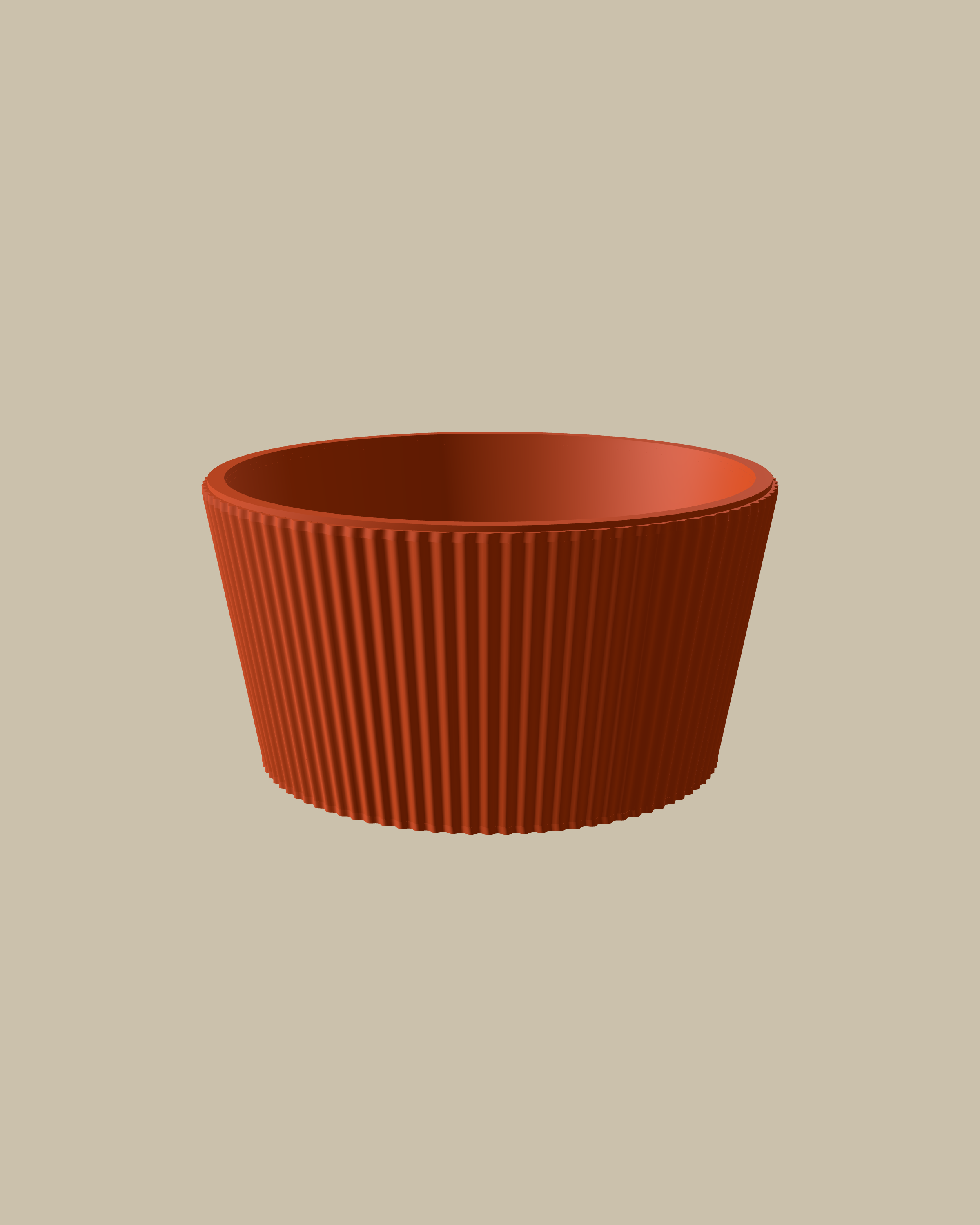
Pan Pot 200, empty, three-quarter view against a plain ground

Pan Pot 200

The pan, at a 0.49 height-to-width ratio. A rosette sits on it rather than in it, and the roots, which spread rather than dive, get width instead of a column of wet soil underneath.

200 mm across, 98 mm tall. Holds 1.75 litres. Rim diameter from 160 to 300 mm.
Change this pot Sizes and pictures

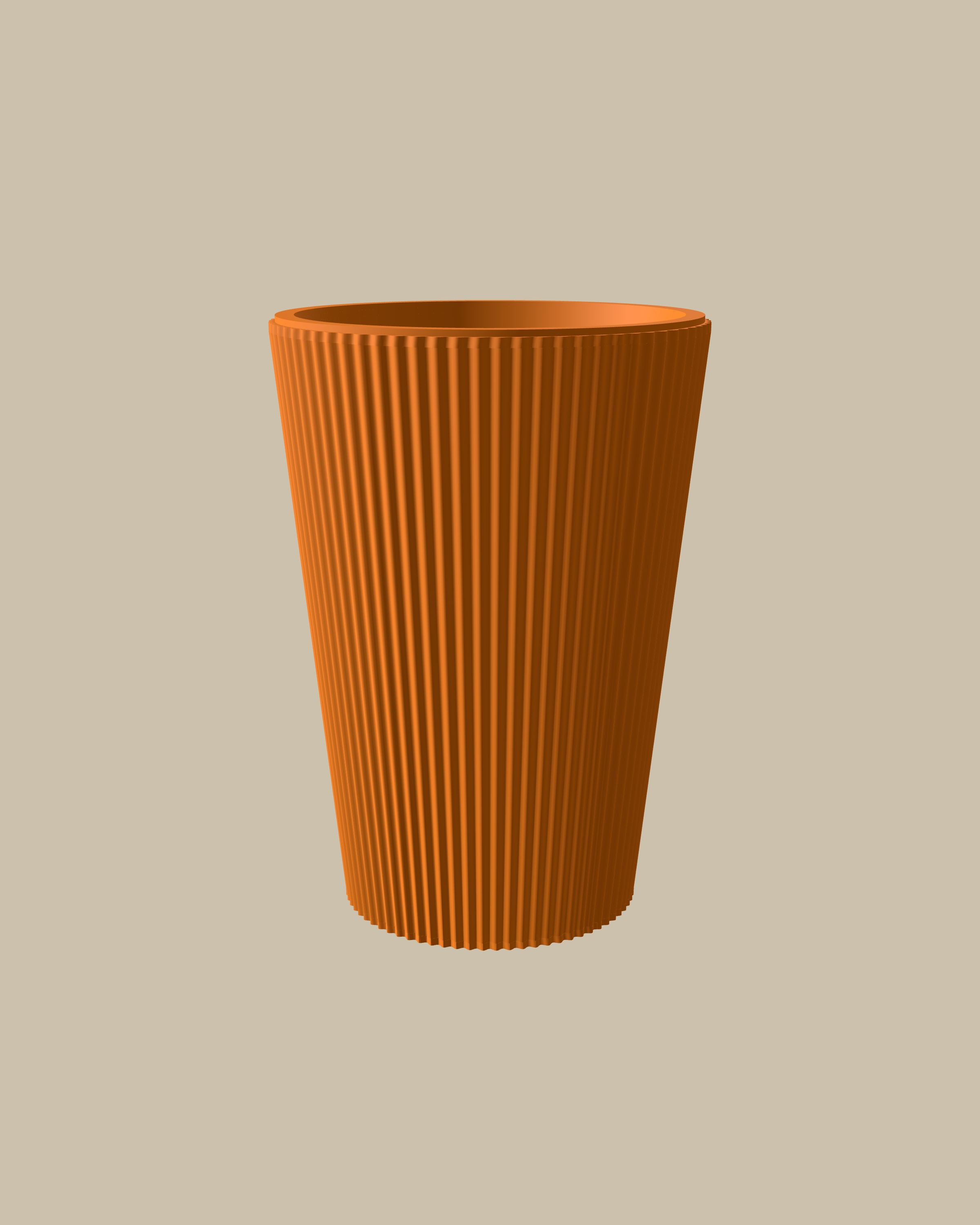
Column Pot 140, empty, three-quarter view against a plain ground

Column Pot 140

The column, for Aloe, Sansevieria, Zamioculcas and anything tall enough to tip a pan over. Depth here is ballast as much as root run.

140 mm across, 192 mm tall. Holds 1.75 litres. Rim diameter from 100 to 220 mm.

Change this pot Sizes and pictures

Start from this drawing and change everything

Or draw your own, starting from the Pan Pot 200.

The editor opens on our shape for a succulent: the proportion, the drainage and whether there is a reservoir at all are already set the way this page argues for. Then every slider moves. Worth changing for a succulent:

  • Rim diameter, 160 to 300 mm, set from the rosette's spread plus 25 mm
  • The column instead, 100 to 220 mm rim, for anything tall
  • The cradle bowl and its drop length, 250 to 900 mm, if it is going up

Open the editor Or send a photo and let us size it

The ones to skip

We make these and they are good pieces. They are not for this plant, and here is the reason in each case.

  • Flush Vessel 180Self-watering. A succulent in a wicking pot is a slow accident.
  • Wick Trough 280Self-watering, and 128 mm of constantly damp root depth on top of it.
  • Wall Cup 160The sealed sump under the false floor is the one thing a succulent must not have.

The numbers we draw to

How much wider than the plant
15 to 25 mm round a rosette. Snug looks better and dries faster
Depth, rosettes and mats
60 to 90 mm of medium
Depth, Aloe, Sansevieria, ZZ
150 mm and up, mostly so it stays upright
Hanging
Under 2 kg wet, which the 190 mm bowl is, comfortably
Repotting
When the rosette overhangs the rim, which is usually every second spring

These are the figures the pieces are drawn to rather than measurements taken off a finished one, and they are a starting point for your plant rather than a rule. Send us what it is in now and we will move them.

The mix

Half to two thirds mineral, same family as a cactus mix but you can be a little kinder to the soft-leaved ones. Haworthia and Echeveria will take more organic matter than an Astrophytum will, and they will still rot if the pot stays wet, so the extra kindness goes into the feed and not into the drainage.

Top dress with the same grit you mixed in. It keeps the lowest leaves off wet soil, which is where the rot on a rosette almost always starts, and it stops the surface caking in a dry room.

Shallow, and why we drew it that way

Most rosette succulents root out sideways in the top few centimetres. Put one in a deep pot and the bottom two thirds is soil the plant never enters, which stays wet long after the top is dry. Under the surface that looks like nothing at all. Above it, months later, it looks like a plant that suddenly fell over.

So the pan pot is short on purpose. The ratio is the product: ask us to make it deeper and you are asking for the column pot instead, which we also make.

The exception, which is most of the easy plants

Sansevieria, Zamioculcas, Dracaena and Aloe are sold as easy, and what that actually means is drought tolerant. They are heavy and top-lofted, and a shallow pan under a metre of Sansevieria is a pot on the floor. Those go in the column, where the depth is doing two jobs: root run, and not tipping over when the cat leans on it.

Zamioculcas in particular has water-storing rhizomes that will happily sit in a dry pot for two months. Watering it on a schedule is how most of them die.

Watering

Soak, drain, empty the tray, wait until the pot is light. In summer that is roughly weekly in a bright window; in winter it is far less and a Haworthia on a cold sill can go six weeks without complaint.

A shrivelled leaf recovers in a day. A soft translucent one does not recover at all. When you are unsure, the mistake to make is the dry one.