For plants that mean to stay.

Plants Aroids

Pots and poles for aroids.

Araceae, and the Hoya everybody files with them

Pothos, Monstera, Philodendron, Alocasia, and the Hoya that gets sold alongside them. Three different answers about water, so start here and then go to your plant.

2 pieces

What we would put an aroid in

Every one printed to order in Yerevan at the size you ask for. Tap a code, send a photo of the plant and the pot it is in now, and a size comes back the same day.

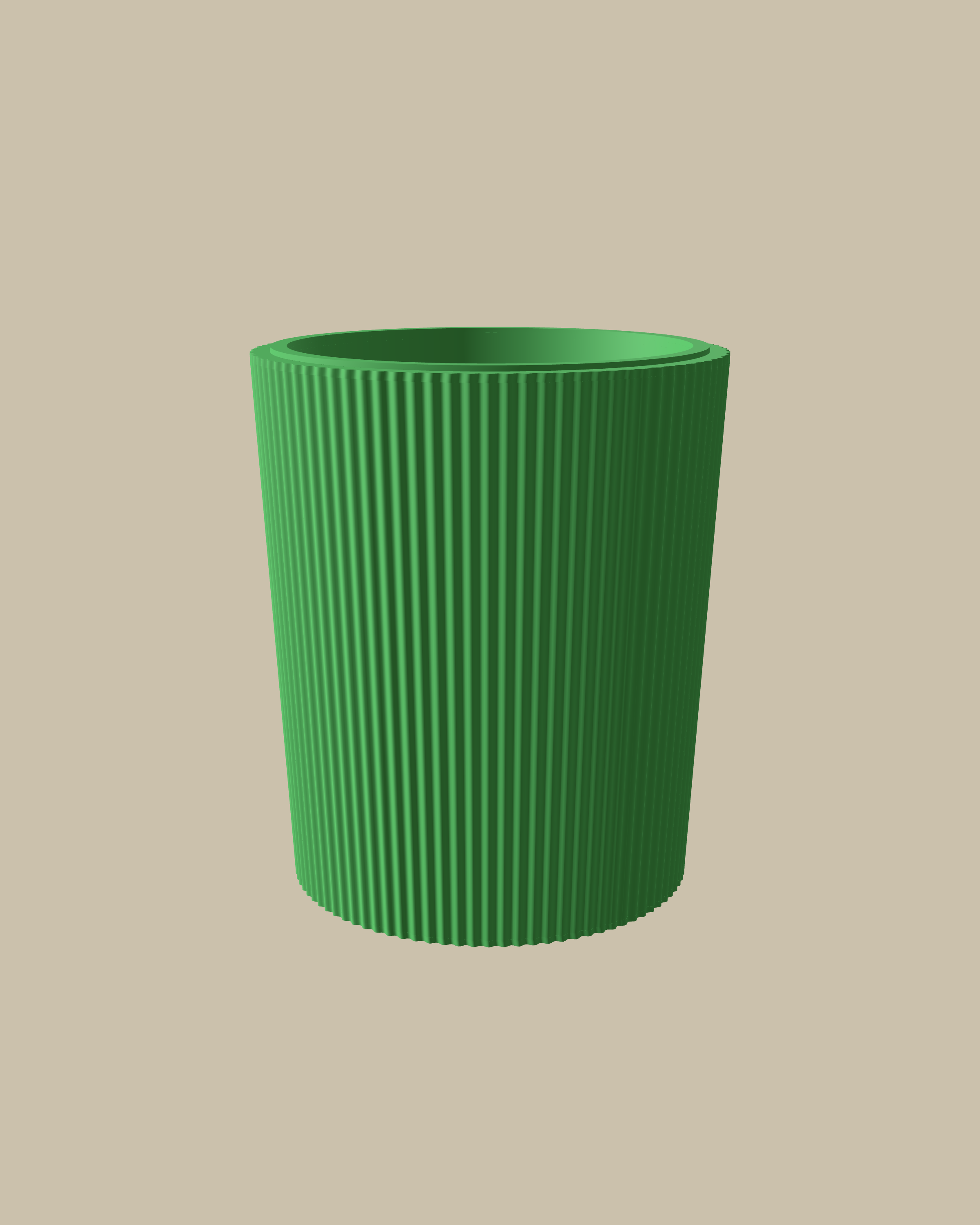
Flush Vessel 180, empty, three-quarter view against a plain ground

Flush Vessel 180

The flush vessel, for a pothos, a philodendron or a peace lily in an ordinary mix. The plug in the reservoir is the part that matters: you empty and refill rather than topping up forever.

180 mm across, 205 mm tall. Holds 2.1 litres. Outer diameter from 150 to 260 mm.
Change this pot Sizes and pictures

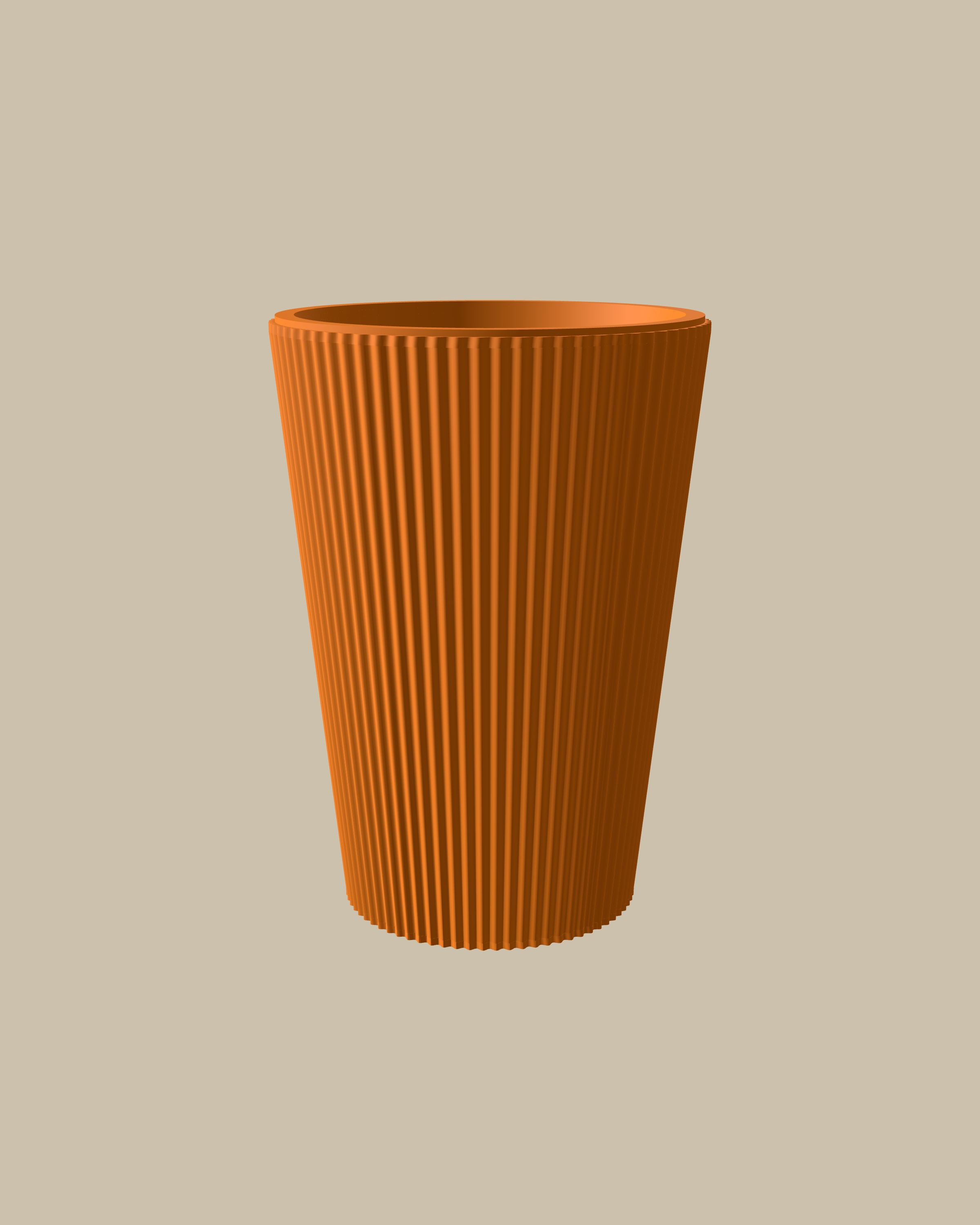
Column Pot 140, empty, three-quarter view against a plain ground

Column Pot 140

The column pot, which is the right answer for anything in a chunky bark mix: a hole, a foot, a tray, and 172 mm of depth.

140 mm across, 192 mm tall. Holds 1.75 litres. Rim diameter from 100 to 220 mm.

Change this pot Sizes and pictures

Start from this drawing and change everything

Or draw your own, starting from the Flush Vessel 180.

The editor opens on our shape for an aroid: the proportion, the drainage and whether there is a reservoir at all are already set the way this page argues for. Then every slider moves. Worth changing for an aroid:

  • Across the top and how tall, which is where the proportion argument actually happens
  • Whether there is a reservoir at all: the feet and the stand-off are what create it
  • The mesh over the holes, which is what keeps the medium out of the water

Open the editor Or send a photo and let us size it

The ones to skip

We make these and they are good pieces. They are not for this plant, and here is the reason in each case.

  • Fan Trellis 420A trellis is a bar. An aroid's aerial roots want moss to grip and draw from, so this is the piece for a twiner like a Hoya and not for a Monstera.
  • Pan Pot 200Too shallow for most of this group. A mature Monstera in a pan is a lever waiting for a doorway.

The numbers we draw to

How much wider than the root ball
20 to 40 mm, and up one size at a time
Depth
120 to 170 mm of medium for most of the group
On a reservoir
Only in a mix that wicks. Never in pure bark, and never under a Hoya
Climbing
A pole 300 mm at a time, joined as the plant goes up
Repotting
When roots come out of the hole, which is roughly annually while young

These are the figures the pieces are drawn to rather than measurements taken off a finished one, and they are a starting point for your plant rather than a rule. Send us what it is in now and we will move them.

Start with the mix, because it decides the pot

Ordinary houseplant compost with a third of bark or perlite through it wicks, drains reasonably and suits a pothos, a philodendron or a peace lily. A chunky mix of bark, perlite and coco chips, which is what most Monstera keepers use, does not wick at all.

That one fact decides everything else. A wicking mix can go over a reservoir. A chunky mix needs a hole in the bottom and a tray under it, and there is no pot on this site that gets round that.

Give the climbers something to climb

Most of this family climbs in the wild and trails only because a shelf is what we gave it. Aerial roots into damp moss change the plant: bigger leaves, and in a Monstera the fenestrations people buy the plant for.

Our pole stacks rather than being replaced. The usual failure is not the moss, it is that the plant outgrows a fixed height and repotting it onto a taller stake means untying a mature plant and starting again.

The one on this shelf that is not an aroid

Hoya gets sold, watered and repotted alongside these, and it is a different plant entirely: a semi-succulent epiphyte with leaves that store their own water. It wants a small pot, a coarse mix, a thin support to twine round, and no reservoir under any circumstances.

It is worth saying plainly because the mistake is easy and it is expensive. If you have a Hoya, its own page is the one to read.