For plants that mean to stay.

Plants Pothos

Pots for pothos, including the one that waters itself.

Epipremnum aureum

The plant that forgives everything. It is also the one plant here where a reservoir is straightforwardly a good idea.

1 pieces

What we would put a pothos in

Every one printed to order in Yerevan at the size you ask for. Tap a code, send a photo of the plant and the pot it is in now, and a size comes back the same day.

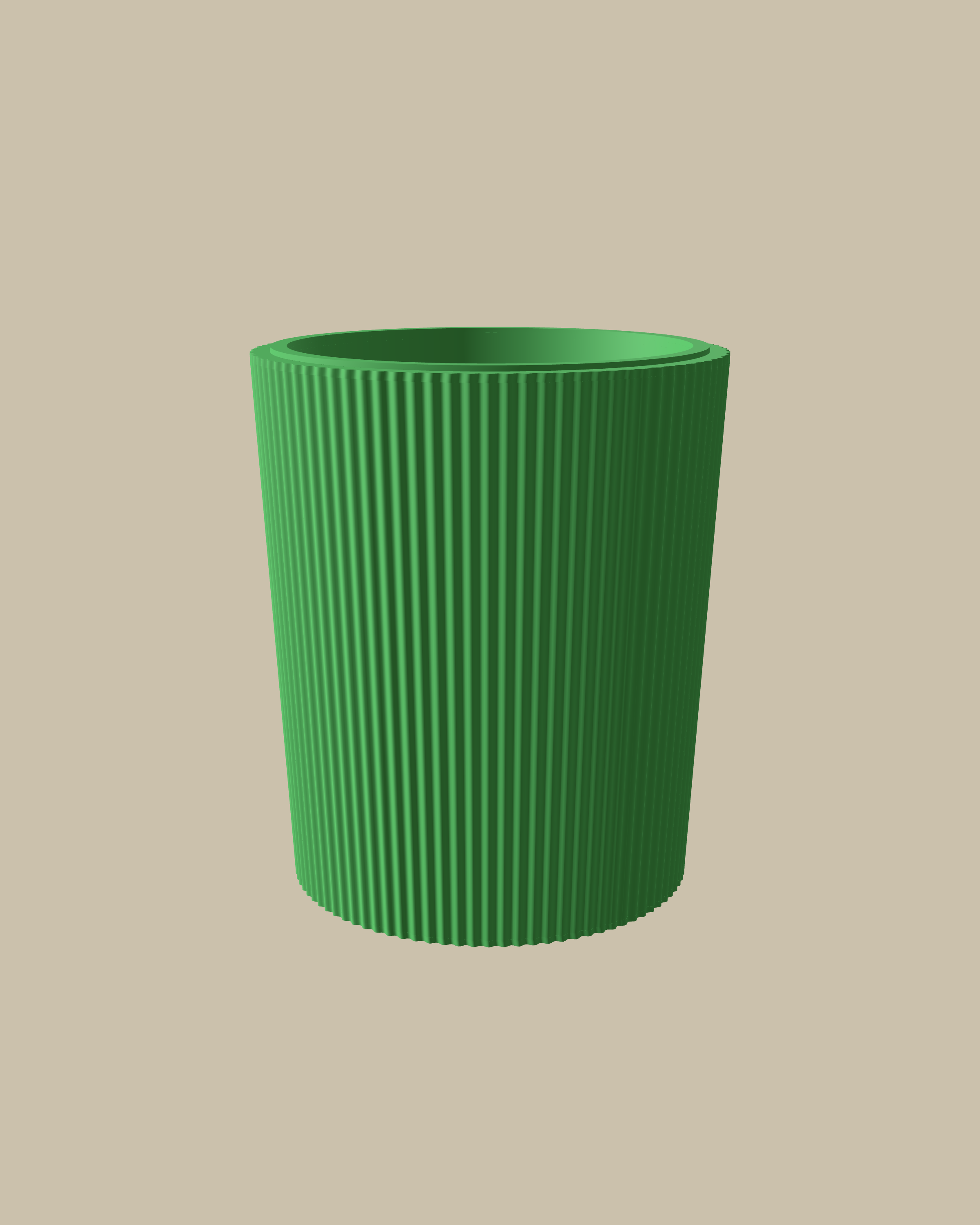
Flush Vessel 180, empty, three-quarter view against a plain ground

Flush Vessel 180

The flush vessel. A fortnight away and the plant does not notice. The plug in the reservoir is the part that matters: you empty and refill rather than topping up forever, so salts leave instead of collecting.

180 mm across, 205 mm tall. Holds 2.1 litres. Outer diameter from 150 to 260 mm.

Change this pot Sizes and pictures

Start from this drawing and change everything

Or draw your own, starting from the Flush Vessel 180.

The editor opens on our shape for a pothos: the proportion, the drainage and whether there is a reservoir at all are already set the way this page argues for. Then every slider moves. Worth changing for a pothos:

  • Outer diameter, 150 to 260 mm, which also sets how much reservoir you get
  • Pole section height, 150 to 300 mm, and how many sections you stack
  • Colour, and whether you want the natural translucent so the water level shows

Open the editor Or send a photo and let us size it

The ones to skip

We make these and they are good pieces. They are not for this plant, and here is the reason in each case.

  • Pan Pot 200Nothing dangerous, just the wrong shape: a pothos root ball goes down more than out, and the pan leaves it looking marooned.
  • Fūkiran Stand 95An orchid stand. No medium depth, and it is not what this plant is asking for.

The numbers we draw to

How much wider than the root ball
20 to 40 mm. It fills a pot fast and does not mind being snug
Depth
120 to 160 mm of medium. The flush vessel basket gives 125 mm
On a reservoir
Yes, in an ordinary mix. Not in pure bark
Climbing
A pole 300 mm at a time, joined as it goes. The moss chamber holds 1.4 litres per section
Repotting
When roots come out of the hole, roughly annually while it is young

These are the figures the pieces are drawn to rather than measurements taken off a finished one, and they are a starting point for your plant rather than a rule. Send us what it is in now and we will move them.

The mix

An ordinary houseplant compost with a third of bark or perlite stirred through it. That is genuinely it. Pothos is not the plant to spend money on a designer aroid mix for, and if you are putting it on a reservoir you actively want the mix on the finer side so the wick has something to work with.

A 50 percent air mix of the kind a Monstera keeper swears by will sit dry above a full tank. Wicking needs continuous fine material.

Trailing or climbing, which is a decision and not a habit

Left alone, a pothos trails and the leaves stay small. Given something to grip, the aerial roots go into it and the plant starts putting its energy into bigger leaves instead of longer vines. Ours is a stacking moss pole for exactly this, because the alternative is buying a taller pole every year and disturbing the whole plant to change it.

We would not promise you a fenestrated monster. We would say the plants we have grown up a pole look like a different species from the ones we let hang, and that is the effect people are usually after.

The yellow leaf

One yellow lower leaf occasionally is a plant shedding its oldest. Several at once, low down, soft rather than crisp, is almost always water: either a pot that has been swinging between extremes or one that never dries at all.

This is the case a reservoir actually solves, which is why it is the one plant here we would put on one without a qualification.

Cuttings, because there will be cuttings

One node, one leaf, in water, in a bright spot out of direct sun. Roots in two to three weeks in summer. Change the water weekly and pot up when the roots are around 50 mm, while they can still adapt to soil.

The tube stand exists because a row of jam jars on a shelf is how most people start and it is never how they want it to look.